
 Skip to content



How to Make a Car Insurance Claim After an Accident in Derrimut
Getting into a car accident is stressful enough on its own. Then comes the next challenge: working out how to make a claim and getting your car repaired. If you’re looking for help with accident insurance claims in Derrimut or elsewhere in Australia, the process can feel confusing, especially if you’ve never been through it before.
You may have many questions: What do you say to your insurer, or what information do you need? People are also curious about what actually happens once your car is booked in for repairs. Don’t worry, this guide walks you through the entire claims process in simple language, from the moment the accident happens right through to collecting your repaired car. Knowing the steps ahead of time can save you a lot of frustration and help avoid costly mistakes.

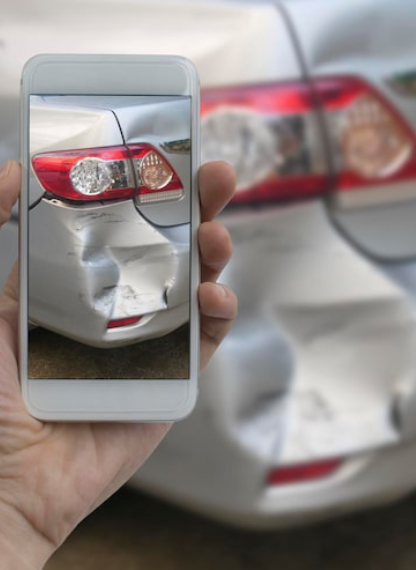
Step 1: Stay Safe and Document Everything at the Scene
Before you think about insurance, make sure everyone is safe. Move vehicles off the road if it is safe to do so, switch on your hazard lights, and call emergency services if anyone is injured.
Once the immediate situation is under control, start collecting information. This is where a lot of people fall short, and it causes real problems later when they try to lodge their claim. Make sure to gather the following details:
- Full name, address, and phone number of the other driver
- Their vehicle registration number and the make and model of their car
- Their insurance provider and policy number, if they are willing to share it
- Names and contact details of any witnesses
- Photos of both vehicles from multiple angles, including all damage and the surrounding road
- The exact location, time, and date of the accident
Take more photos than you think you need. Panel repairers and insurers rely heavily on photographic evidence to assess damage and determine fault. Blurry or incomplete photos can slow down the process of lodging a car insurance claim.
Step 2: Report the Accident to Police if Required
In Victoria, you are legally required to report an accident to the police if someone is injured. It is also mandatory if the other driver is not exchanging details or if there is significant property damage and the other party is uncooperative. Even when it is not legally required, filing a police report is always a good idea if there is any dispute over who was at fault. A police event number can strengthen your insurance claim.


Step 3: Notify Your Insurer Promptly
Contact your insurer as soon as possible after the accident, ideally on the same day. Most insurers have 24-hour claims lines, and many allow you to start your car insurance claim process in Australia through an app or online portal. Delaying your notification can sometimes complicate the claim, especially if the other party lodges their claim first.
When you call, have your policy number ready along with all the information you collected at the scene. Be factual and clear about what happened. Avoid speculating or admitting fault during this conversation, as liability is for the insurer and assessor to determine.
Your insurer will guide you through their specific process and let you know whether they require an independent assessment or whether they can approve repairs based on photos and quotes.
Step 4: Choosing a Smash Repairer
One of the most important decisions in the claims process is choosing where to have your car repaired. Many people do not realise that in most cases, you have the legal right to choose your own repairer rather than being directed to one on the insurer’s preferred list.
If you’re looking for assistance with accident insurance claims in Derrimut, choosing a trusted local business like Derrimut Smash Repairs is recommended. Doing so means you can work with a workshop that communicates well and will return your car to the standard you expect. Repairer preference is worth asserting early in the process, as some insurers will try to steer you toward their approved network.
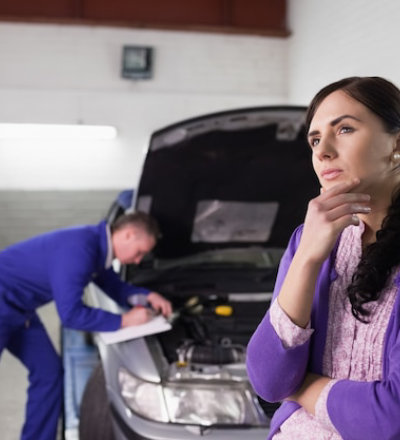
Once you bring your car to the repairer, they will conduct an assessment and prepare a repair quote to submit to your insurer. This is different from the initial estimate your insurer might have done remotely. The repairer’s quote will be based on a physical inspection and will capture damage that photos may not have revealed.
Step 5: Insurer Approval and the Repair Process
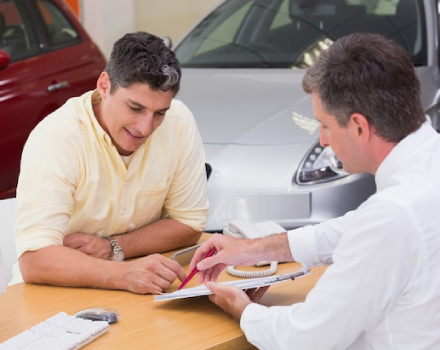
After the repairer submits their quote, the insurer will review and either approve it, negotiate certain items, or send an assessor to inspect the vehicle in person. This step is where delays often happen. Insurance approval can take anywhere from one day to more than a week, depending on the complexity of the damage, the insurer’s workload, and whether there are any disputes about the scope of repairs.
Once the quote is approved, your repairer will order any required parts and schedule the work. During the repairs, it is normal for hidden damage to be discovered once panels are removed. When this happens, the repairer submits a supplementary quote to the insurer. A good repairer will keep you informed through this process rather than leaving you to chase updates.
Step 6: Understanding Your Excess
When you make a claim, you will typically need to pay an excess. This is a set amount in your policy that you contribute toward the cost of the repair. Excess amounts vary widely depending on your policy, your age, and whether you were at fault.
If the accident was not your fault and the at-fault driver can be identified, you may be able to recover your excess from their insurer or pursue it through the car insurance claim process. Your insurer should be able to advise you on this.

Step 7: Collecting Your Car
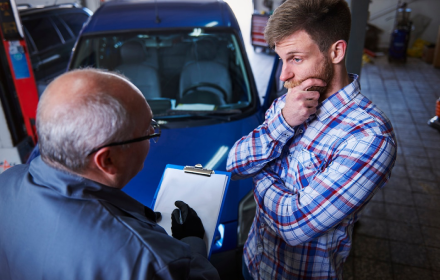
Before you drive your car away from the repairer, take time to inspect the vehicle properly. Check the repaired panels, paint colour match, panel gaps, and any areas adjacent to the repair. A reputable repairer will walk you through the work that was completed. If anything does not look right, raise the query before signing off. Warranties on repair work vary, so ask the repairer what is covered and for how long.
Common Mistakes to Avoid
Working in the smash repair industry, we see the same mistakes come up time and again. These are the most common ones:
- Not Taking Enough Photos at the Scene: Always photograph everything, including skid marks, road conditions, vehicle damage, and the position of both vehicles.
- Admitting Fault Before an Investigation: Even if you believe you caused the accident, leave fault determination to the insurers and relevant authorities.
- Delaying Notification to Your Insurer: Some insurance policies have strict notification deadlines, so report the accident promptly.
- Overlooking Your Policy’s Repair Requirements: Review your policy before choosing a repairer, as some insurers have specific conditions regarding repairer selection.
- Accepting a Cash Settlement Too Quickly: Before agreeing to a cash settlement, obtain a repair quote to ensure the amount covers the full cost of repairs.
Contact Derrimut Smash Repairs for Expert Guidance on Accident Insurance Claims in Derrimut
The accident insurance claims process does not have to be overwhelming. When you know what information to gather, who to contact, and what to expect from each step, the experience becomes much more manageable. The key is to act quickly, document everything thoroughly, and not be afraid to ask questions along the way.
If you’re looking for assistance with smash repair insurance claims in Melbourne, Derrimut Smash Repairs has you covered. We’ll make the process as smooth as possible, especially for accident insurance claims in Derrimut. Whether it’s understanding your insurance options or choosing the right repair path, we’ve got you covered every step of the way. Call us on (03) 9394 1930 to get started or send us your enquiries at [email protected]. Let’s get your car back on the road, stress-free.
