
 Skip to content



What to Do Immediately After a Car Accident?
In the smash repair industry, we see hundreds of accident-damaged cars every year, and we guide customers through their accident insurance claims from start to finish. One thing is clear: people who handle the moments after a crash well get through the insurance and repair process with far less stress.
This blog guides you through the essential steps after a car accident, giving you a clear, practical sequence so that even in a difficult moment, you know exactly what to do and what to avoid.

1. Stop and Check for Injuries
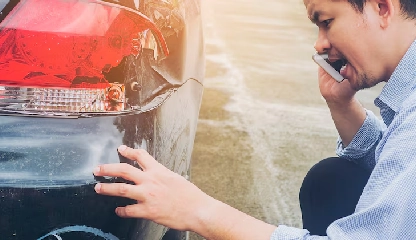
The first and most important thing to do after an accident is to stop your vehicle. Leaving the scene of an accident, even a minor one, is a serious offence in Victoria. Once stopped, check yourself and your passengers for injuries. Even if everyone feels okay, some injuries do not show symptoms immediately. So, check thoroughly.
If anyone is injured or you are unsure, call 000 straight away. Do not move injured people unless there is an immediate danger such as fire or the risk of further collision.
2. Move to Safety if You Can
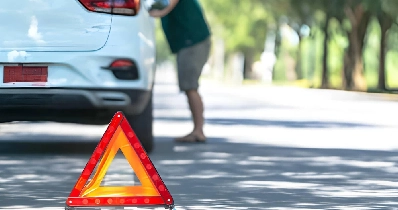
If the vehicles are movable and the accident has occurred in a live traffic lane, try to move to the breakdown lane or a nearby side street. Leaving disabled vehicles in the middle of a road creates additional hazards. Switch on your hazard lights immediately so other drivers can see the obstruction.
If you cannot move your car, stay inside with your seat belt on until it is safe to exit, particularly on high-speed roads.
3. Call the Police When Required
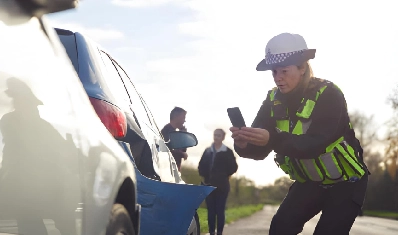
In Victoria, you must report a car accident to police if someone is injured, a driver does not stop, or there is a dispute over the exchange of details. Call 000 for emergencies or the police assistance line for non-urgent incidents.
Although reporting is not legally required, having a police event number is useful. If the at-fault driver later changes their story or the other party disputes what happened, a police record provides independent documentation of the event.
4. Exchange Information Calmly
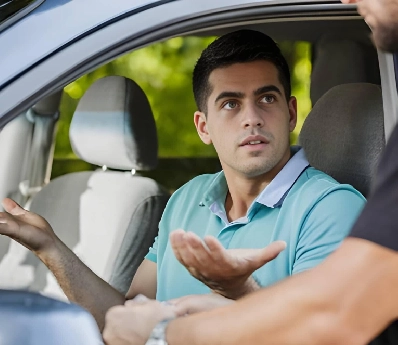
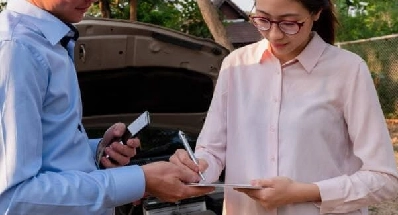
This is the step that catches people out most often. Either they forget to get information in the moment, or a tense exchange leads to arguments that escalate the situation. Stay calm, be polite, and collect the following details from every other driver involved:
- Full name and residential address
- Phone number
- Vehicle registration plate
- Vehicle make, model, and colour
- Insurance company name and policy number if they have it available
If the other driver refuses to provide their details, do not argue. Note their registration number and call the police. You are entitled to this information by law.
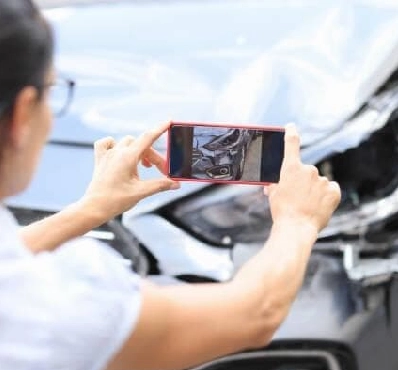
5. Document the Scene Thoroughly
This is where most people underinvest their time. Good scene documentation can be the difference between a smooth claim and a long dispute. Use your phone to photograph:
- All damage to your vehicle from multiple angles
- All damage to the other vehicle
- The overall scene, including road markings, signs, and the position of both vehicles
- Any skid marks or debris on the road
- Traffic conditions and visibility at the time
- Any nearby intersection or street signage to confirm the exact location
Also note the time, date, weather, and road surface. Write these down in your phone’s notes app immediately. Many people rely on memory and later discover they cannot accurately recall specifics that become important during the claims process.
6. Collect Witness Details
If anyone witnessed the accident, ask for their name and phone number. A neutral third-party account can be valuable if fault is disputed. Most people are willing to provide contact details, especially if they saw clearly what happened, particularly in cases involving accident repairs.
7. What Not to Say at the Scene
This is critical and often misunderstood. If you are wondering after a crash what to do, one of the most important rules is never to admit fault at the scene. That’s true even if you think the accident was your mistake. Fault is determined by your insurer based on the full facts, not by a conversation on the side of the road. Admitting fault can complicate your claim and may be used against you.
Do not say things like “it was my fault”, “I am sorry, I did not see you”, or “I should have stopped sooner.” Keep your communication factual. State what happened from your perspective without accepting blame.
8. Contact Your Insurer on the Same Day
Once you are safely away from the scene, call your insurer and notify them of the accident. Most policies require prompt notification, and getting the process started early means the details are still clear in your mind. Have all the information you collected at the scene ready when you call.
If the accident was not your fault, it is worth understanding your rights to a not-at-fault claim before you proceed. You may be entitled to have your car repaired without paying your excess and to use a replacement vehicle while yours is being fixed.
9. Do Not Drive a Damaged Car Unnecessarily
Even what appears to be minor collision damage can affect the safety of your vehicle. Damage to suspension components, wheel alignment, or structural elements is not always visible from the outside. If there is any doubt about whether your car is safe to drive, err on the side of caution and arrange a tow or inspection before continuing to use it.
A Quick Car Accident Checklist
When involved in a car accident, it is easy to feel overwhelmed and unsure what to do immediately after a car accident. A simple checklist can help you stay calm and make sure you don’t miss any important steps. Keep this in mind for the scene:
- Stop safely and check for injuries
- Call 000 if anyone is hurt
- Move to safety and activate hazard lights
- Call police if required
- Exchange driver and vehicle details
- Photograph the damage and the scene
- Collect witness contact information
- Do not admit fault
- Call your insurer the same day
